Quse Design System
Created a scalable component system to improve consistency and speed
As the product evolved, inconsistent UI and patterns slowed development. I led the creation of a design system to unify the experience and support future growth.
Quse design system components and properties.
The Problem
The product lacked a unified system, leading to inconsistencies, duplicated work, and slower development.
Without shared standards, it was difficult to scale efficiently.
What I Did
I built a scalable design system to unify the product and support faster development.
Defined core components, patterns, and visual standards
Created reusable building blocks for consistent design
Established documentation to guide usage
Designed to support both current needs and future scalability
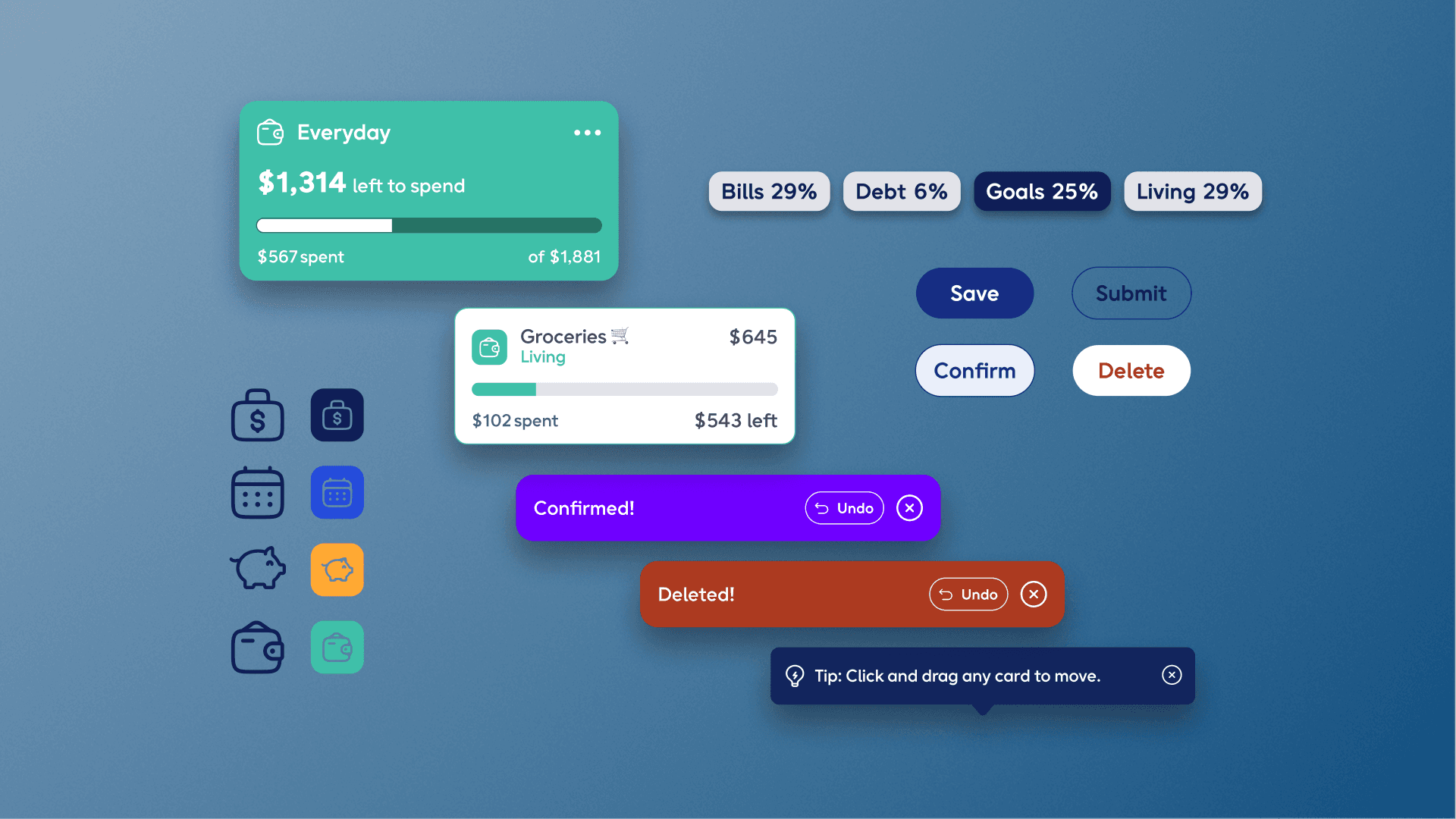
Quse design system components.
Key Decisions
Focused on simplicity to ensure adoption by a small team
Prioritized reusable components over one-off solutions
Balanced immediate product needs with long-term scalability
Early structure was too broad, so I refined it to be more practical and usable
Constraints
The system needed to support a small team and evolving product without introducing unnecessary complexity.
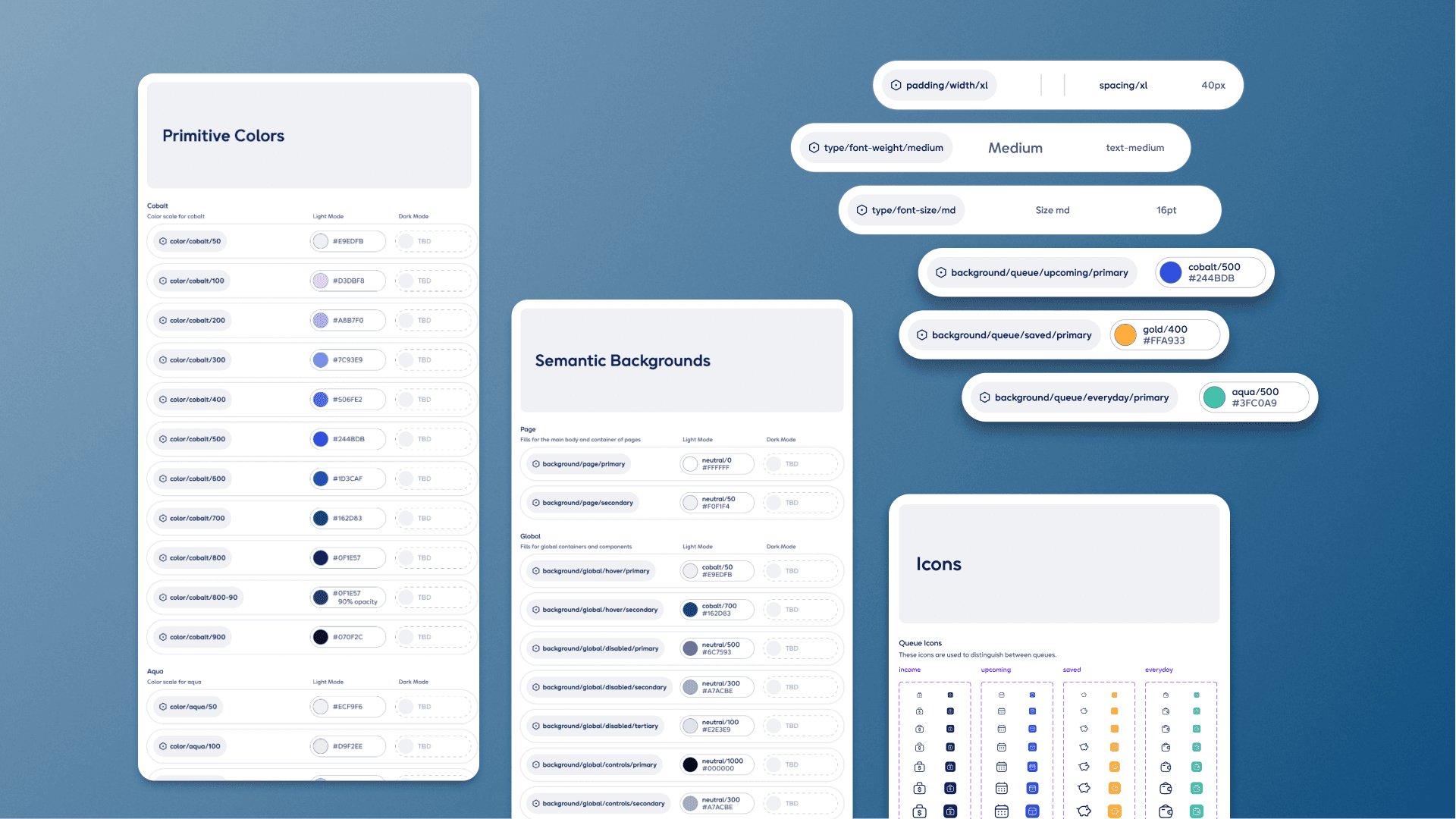
A snapshot of system primitives, semantics, and defined variables.
What Changed
The product gained a consistent visual and interaction language, improving efficiency and reducing rework while creating a strong foundation for growth.
Hindsight
Future improvements could include expanded documentation and deeper integration with engineering workflows.
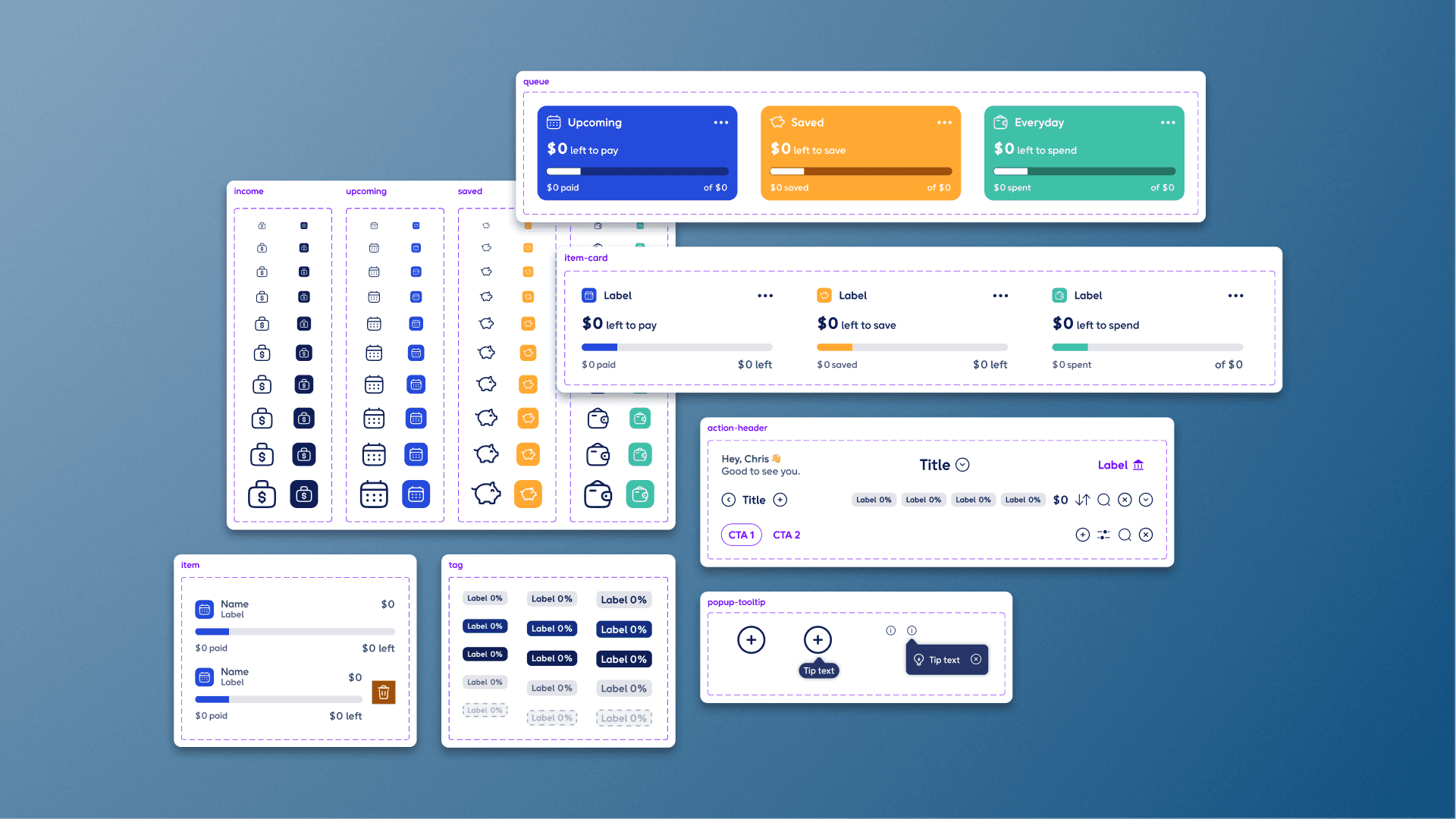
Organizational structure of Quse design system.